

Being a property developer is a tough business. The glitz and glamour behind a residential development is often a facade. It often hides just how difficult it is to project manage and deliver market appropriate residential housing, at scale.
Australia’s residential market is very different to the US for example, which has a mature multi-family component. Delivering housing at scale has been an Australian policy priority, yet the market is chasing its tail with difficult planning, rising building costs, higher funding costs and now a potential liquidty crunch.
Property developers always rise and fall throughout a normal cycle. Recent collapses are not new. There will be other capital allocators who enter the market and seek to generate a return. However this time, private credit will be a lot more cautious in its ability to lend to construction.
I’ve seen first hand the growth of private construction credit in the Australian market since the pandemic. Supply has exceeded demand, leading to credit quality concerns. Not all private credit is exposed to property construction. That is a fair distinction.
However the credit that is exposed will continue to remain problematic.
Developers have chased higher price point markets to make feasibilities stack up. They’ve also baked in rosy sales assumptions, which won’t materialise. Residual stock (our focus at 13x) will continue to rise, epecally where there is no product market fit.
Trading up the curve means they haven’t been adding supply in the lower end of the market, which has drastically reduced supply. But pretending to chase higher end markets will come home to roost too.
Here’s what I expect to see in the next six to twelve months:
More developer construction loans souring
Private credit funds exposed to construction limiting redemptions
Banks back in the market chasing quality developers, winning back marketshare
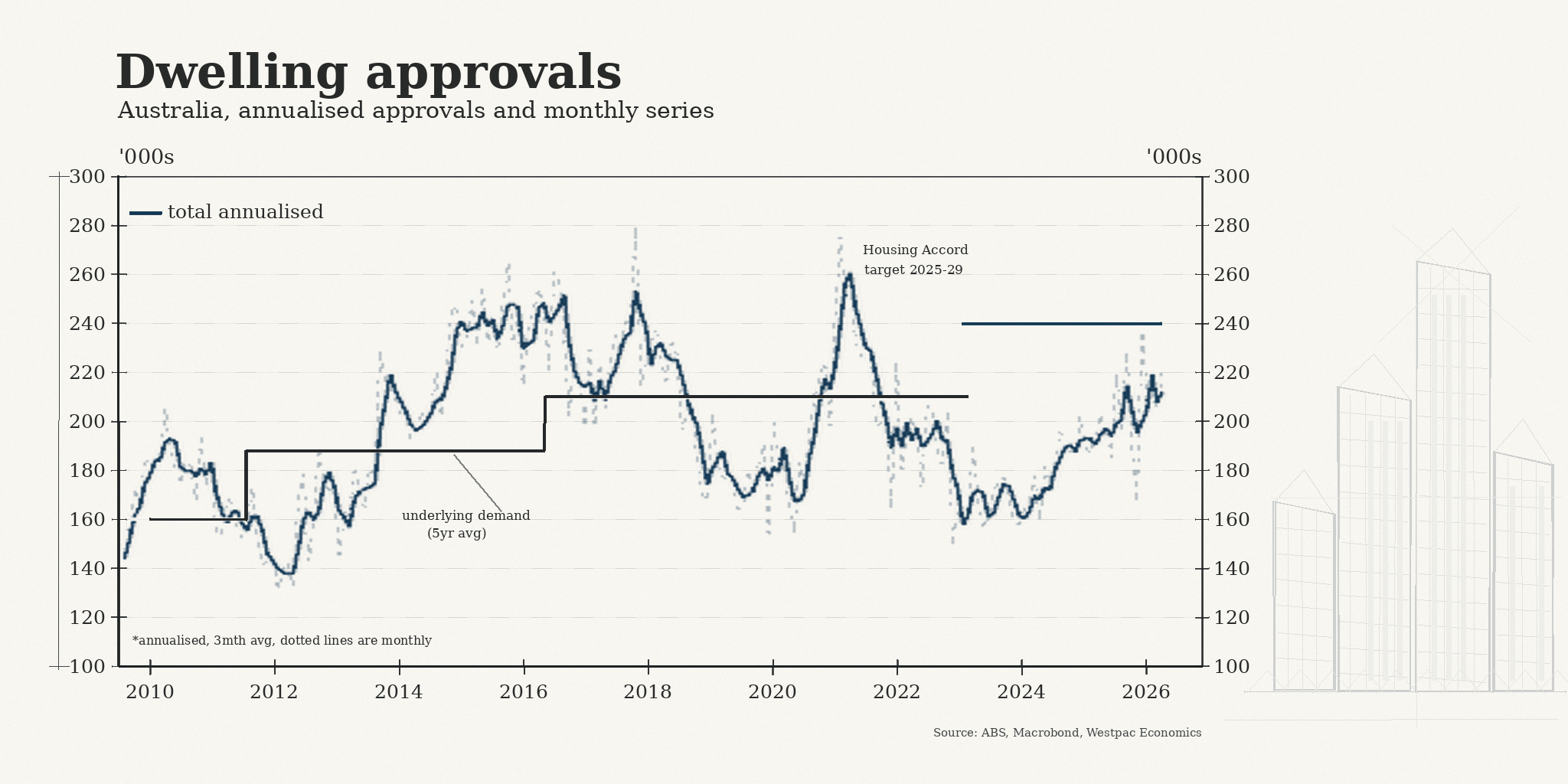
Building approvals on paper not materialising into construction starts unless the projects are high quality and from experienced developers
Limited supply supporting prices as the RBA tames inflation and eventually starts to lower rates next year
The government going to the next election with a bigger housing problem, having built few houses and fallen short of housing targets
Australia remains a high growth country with strong employment and wealth. Our housing problems won’t be solved until we figure out how to bring on board new supply, in areas where people can afford and want to live.